EVA vs PU vs Leather: How to Choose a Sandal Material
Most material decisions come down to these three. Get it right and the sample lands close; get it wrong and you pay for a second round. Here is how we steer buyers, with the trade-offs we actually weigh.
What each one is
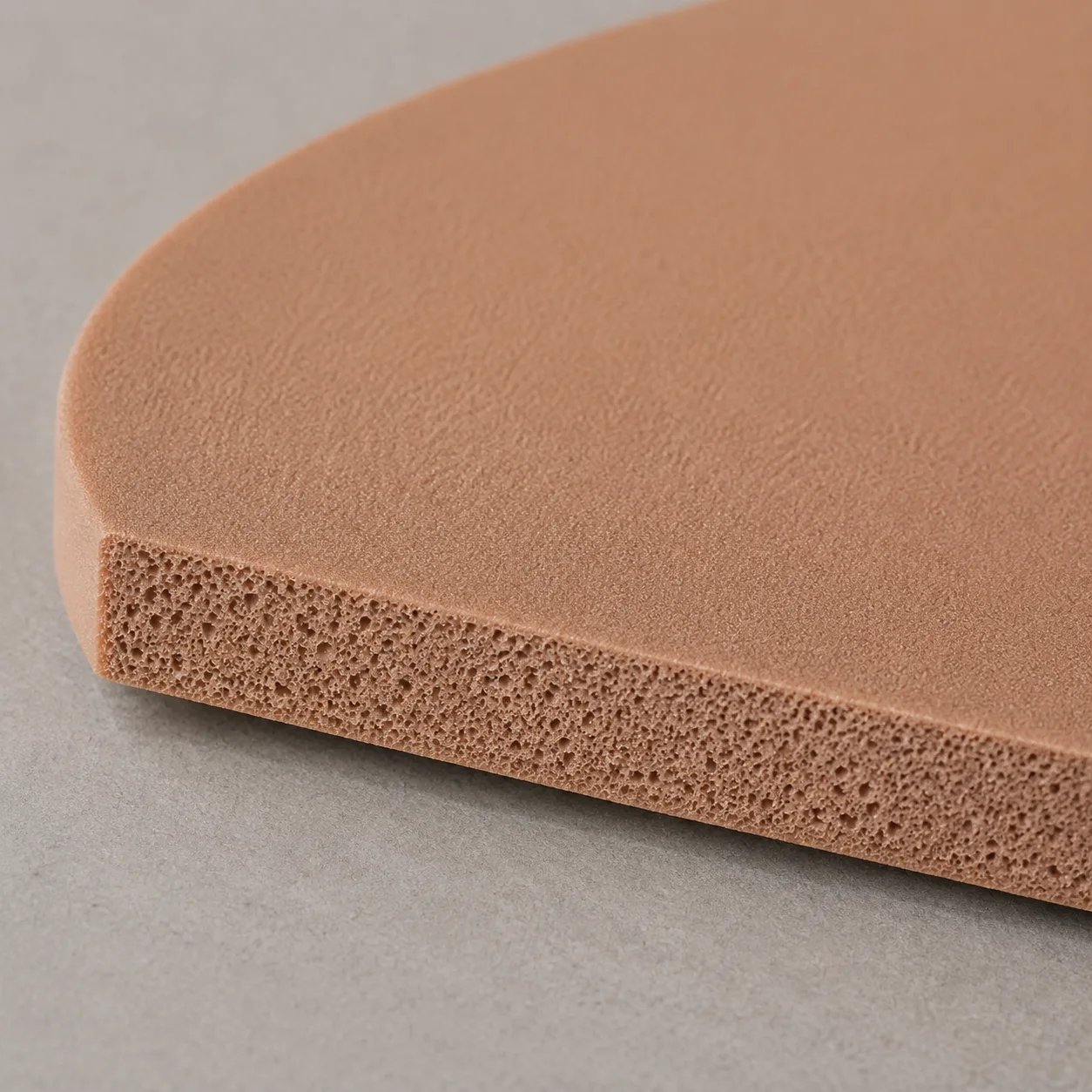
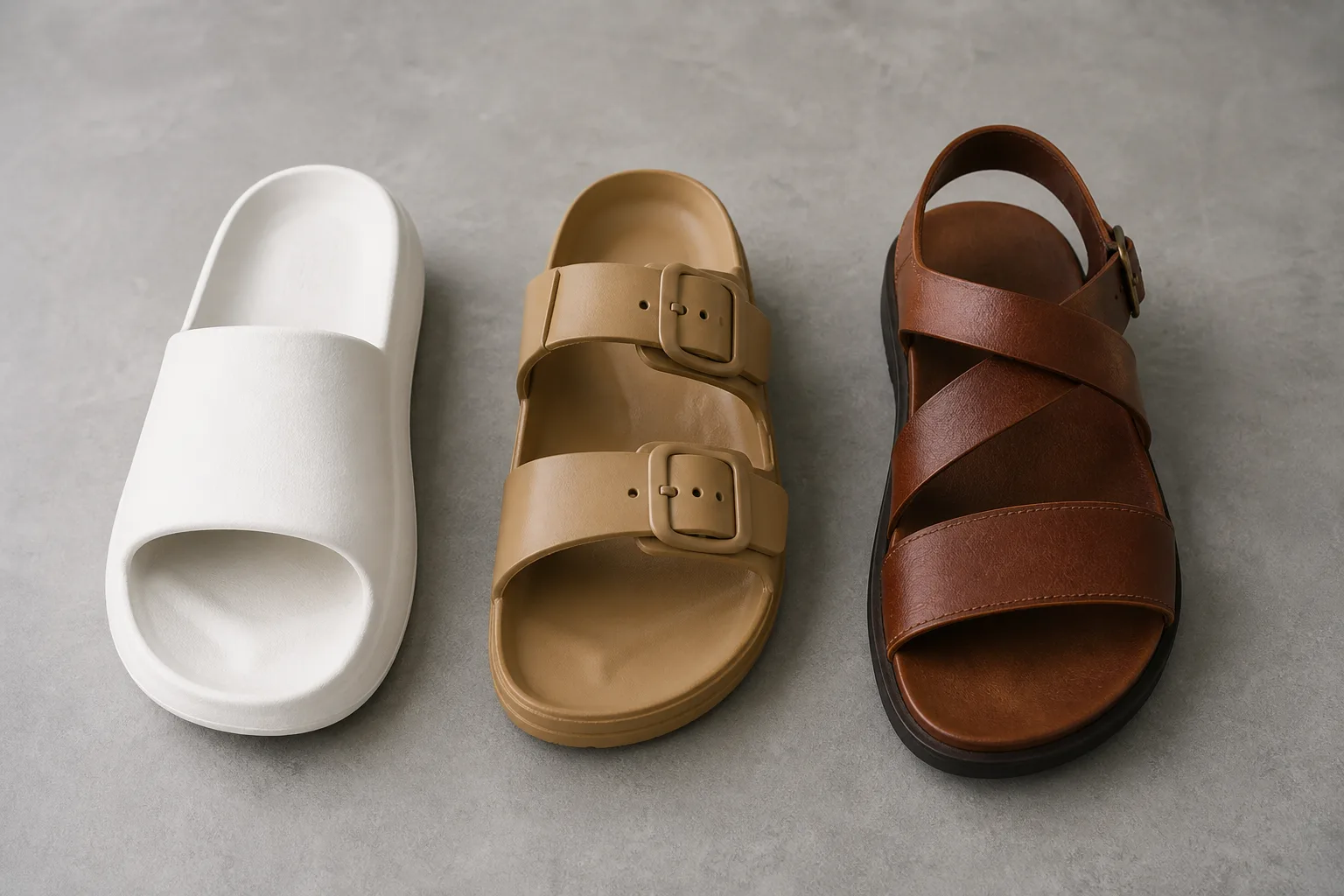
EVA is a molded foam - one piece, no assembly, fast and cheap to make. PU is a synthetic that looks like leather, cleans easily, and holds color batch to batch, which matters for repeat retail drops. Leather is genuine cowhide, where the grain and stitching do the selling. Rubber and cork show up too - rubber for outsoles, cork for footbeds - but the strap and upper decision is usually EVA, PU, or leather.
Cost and comfort
EVA is the cheapest and is plenty comfortable for casual wear. PU sits low-to-mid with a cleaner look. Leather is the most expensive and feels it. But material is only the ceiling on comfort - the footbed does the real work. A firm EVA footbed can feel worse than a soft one regardless of the strap, so we always talk density, not just material.
Which fits which customer
Promo and basics go EVA, every time - cheap and easy to brand. Retail and DTC usually pick PU for a private-label look without the leather price. Boutique, gift, and high-end hospitality choose leather when the shelf presence justifies it. Travel and outdoor lines pair an EVA or PU footbed with a rubber outsole for grip. Many ranges carry two: an EVA volume seller and a leather hero piece.
The shortcut
Cheapest branded pair: EVA. Retail-ready look at a fair price: PU. Premium presentation: leather. Grip the priority: any footbed, rubber outsole. Still stuck? Send us a photo and a target price and we will tell you which one to sample - and push back if your pick fights your budget.
The three, side by side
If you only remember one line per material, make it this.
- EVA - cheapest, lightest, one-piece molded; best for promo, in-room, and volume basics.
- PU - a clean leather look without the cost; the safe pick for private-label retail and DTC.
- Leather - the premium tell in grain and stitch; worth it where shelf presence pays for itself.
- Outsole - rubber where grip matters, cork footbed where comfort and a natural look sell.
Turn the material choice into a production specification
A material name alone is not enough for a comparable quotation. EVA must include density, hardness, rebound, thickness, odor, shrinkage, and color limits. PU needs surface finish, backing, hydrolysis expectations, and abrasion targets. Leather should identify species, grade, thickness, lining, edge finish, color tolerance, and whether natural variation is acceptable. Record the outsole compound, bonding system, strap reinforcement, and target pair weight as well. This turns a preference into a measurable standard that the sample room, purchasing team, and inspectors can all follow. Keep an approved swatch and finished pair with the specification so repeat orders are checked against a physical reference rather than memory.
- Density or thickness range
- Surface and color standard
- Bonding and reinforcement method
- Wear, aging, or wet-use test
- Approved swatch and signed sample