Brown Leather Sandals: Color Standards for Repeat Production
Brown leather sandals has high style-level volume and attainable KD, allowing the site to address a practical repeat-production issue: brown is a family of shades, not one color. This guide translates that search demand into manufacturing, specification, and quality decisions for brands, importers, and wholesale buyers.
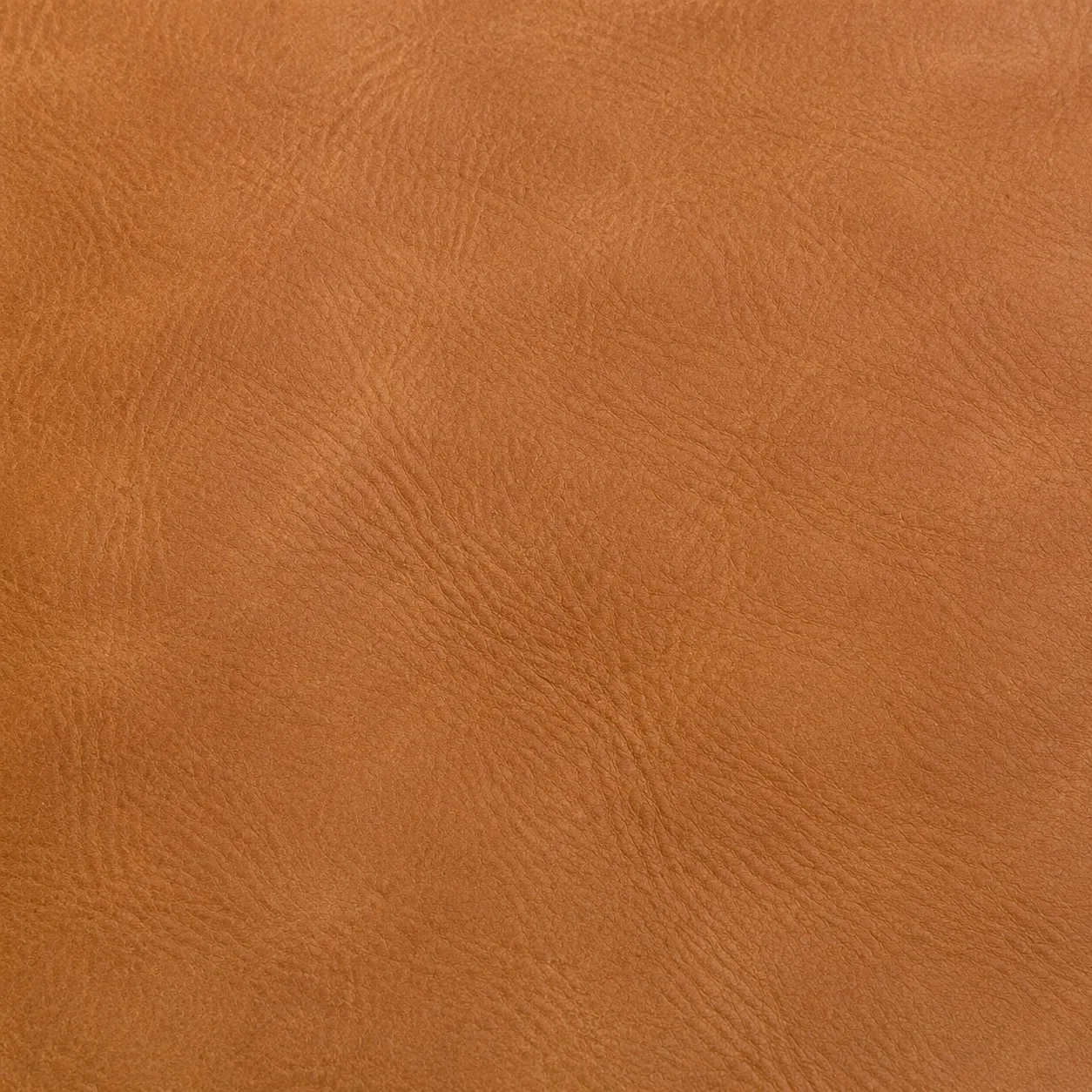
Brown Leather Sandals: what a wholesale buyer needs to decide
Name the shade and approve a physical standard under controlled lighting. Tan, cognac, chestnut, chocolate, and dark brown can shift with leather base color, finish coat, grain, and batch. For a private-label program, the useful question is not only whether the style is popular. The buyer also needs a repeatable construction, a realistic size run, packaging that fits the channel, and a specification the factory can hold from the approved sample through bulk production.
Market terminology and assortment variants
Buyer searches and marketplace language use different word orders, audience labels, colors, and construction names for the same product family. The phrases below are grouped by the product decision they affect, so merchandising, technical, and RFQ teams can use market language without treating every query as a separate product.
- leather brown sandals women, brown womens leather sandals, brown leather ladies sandals and brown leather sandals women — Route audience wording to the correct last, width, instep allowance, size scale, grading rule, wear-test group, and carton size curve.
- womens brown leather sandals, ladies brown leather sandals, mens brown leather sandals and brown leather sandals womens — Route audience wording to the correct last, width, instep allowance, size scale, grading rule, wear-test group, and carton size curve.
- womens leather brown sandals, brown leather sandals mens, brown leather sandals for women and mens leather brown sandals — Route audience wording to the correct last, width, instep allowance, size scale, grading rule, wear-test group, and carton size curve.
- leather brown sandals, dark brown leather sandals, sandals leather brown and brown leather flat sandals — Treat each color phrase as a controlled SKU: approve swatches on every material, define tolerance, and check pair matching plus repeat-lot consistency.
Construction choices for brown leather sandals
Coordinate upper leather, lining, edge paint, thread, footbed cover, outsole, and hardware. A small mismatch can make an otherwise correct product look unplanned. These decisions should be written into the sample brief rather than left to a visual reference. Two products can look similar in a listing while using different densities, strap reinforcements, outsole compounds, stitching, or finishing steps that change both cost and service life.
- Physical shade standard
- Allowed natural variation
- Edge/thread/lining color
- Hardware and outsole coordination
How to specify brown leather sandals for an OEM quote
A quote becomes comparable only when every supplier receives the same inputs. Send the target market, quantity by color, expected retail position, size range, reference image or tech pack, logo method, packaging mode, and destination port. For brown leather sandals, add the product-specific points below so the sample room does not have to guess.
- Approved swatch under named light source
- Pair-matching expectation
- Finish and rub standard
- Packaging protection against transfer
Quality checks before brown leather sandals ship
Sort material before cutting, group shades by pair, and inspect finished pairs under consistent light. Test dry and wet rub when pale linings or apparel contact are possible. Approve a physical sample, keep one signed reference, and define the inspection level before bulk starts. A final AQL pull is useful, but in-line checks are what stop a material, color, bond, or sizing problem from spreading across the full order.
- Shade band and pair match
- Color rub
- Edge paint consistency
- Finish marks and scratches
Cost drivers and supplier questions
Tighter shade tolerance increases sorting and can reduce yield. Set a standard the market needs rather than demanding impossible uniformity from natural material. Ask the supplier to separate one-time tooling or artwork charges from the repeat per-pair price. Also confirm what is included in the quotation: sample fee, molds, labels, retail packaging, export cartons, inspection records, and the Incoterm. That makes the first order easier to compare and the repeat order easier to budget.
- Define first
- Use case, target customer, price position, and expected order quantity
- Approve before bulk
- Material, fit, color, branding, packaging, and the signed physical sample
- Control during production
- Incoming materials, in-line checks, and a final AQL inspection
- Include in the RFQ
- Size/color split, artwork, packing, destination, and required delivery date