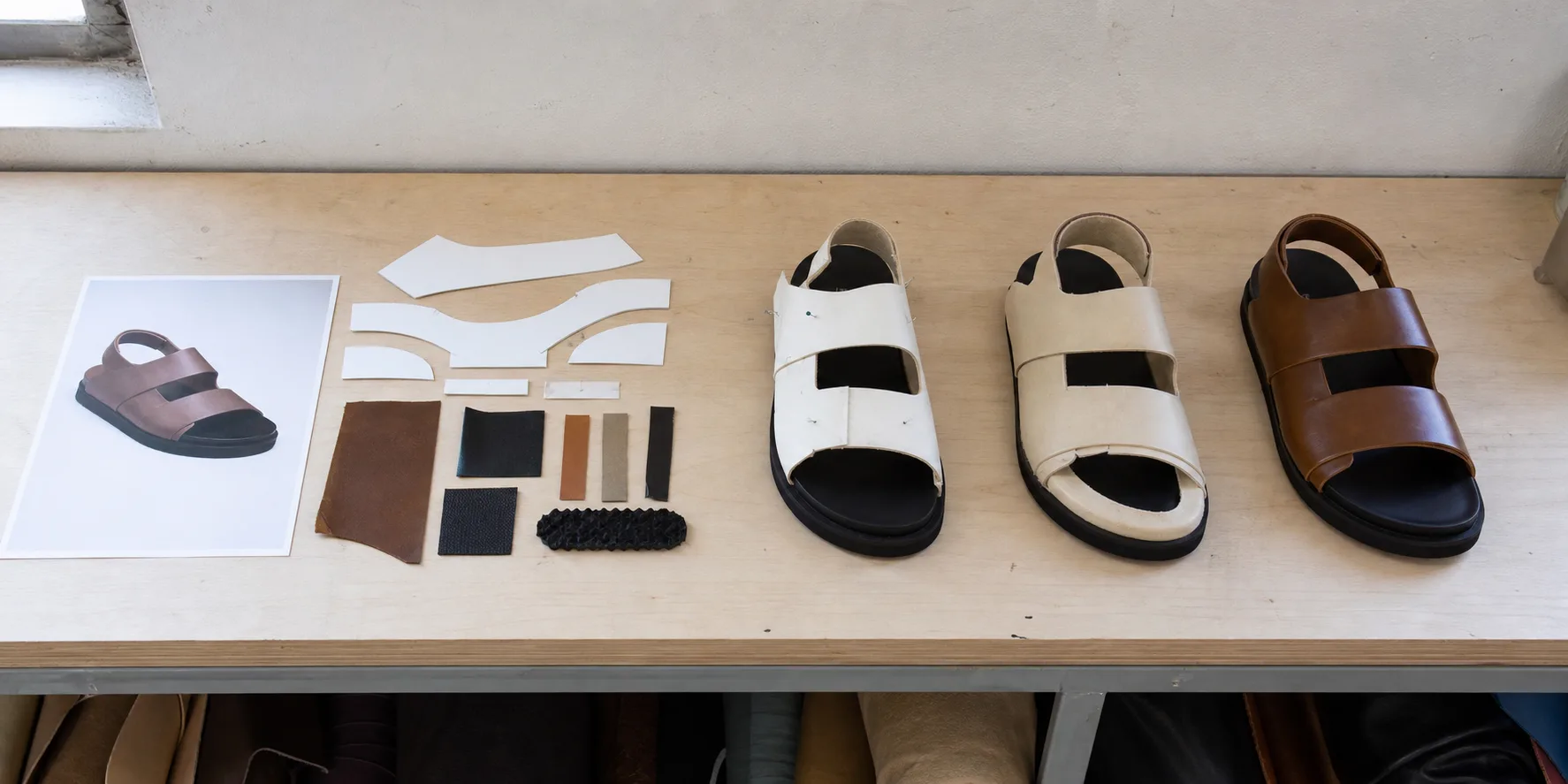
Importing Sandals from China: A First-Time Guide
The part after bulk is where first-time buyers get nervous - freight, documents, duties. Here is what actually happens between finished cartons and your warehouse, in plain terms, so you know what to arrange and what the factory handles.
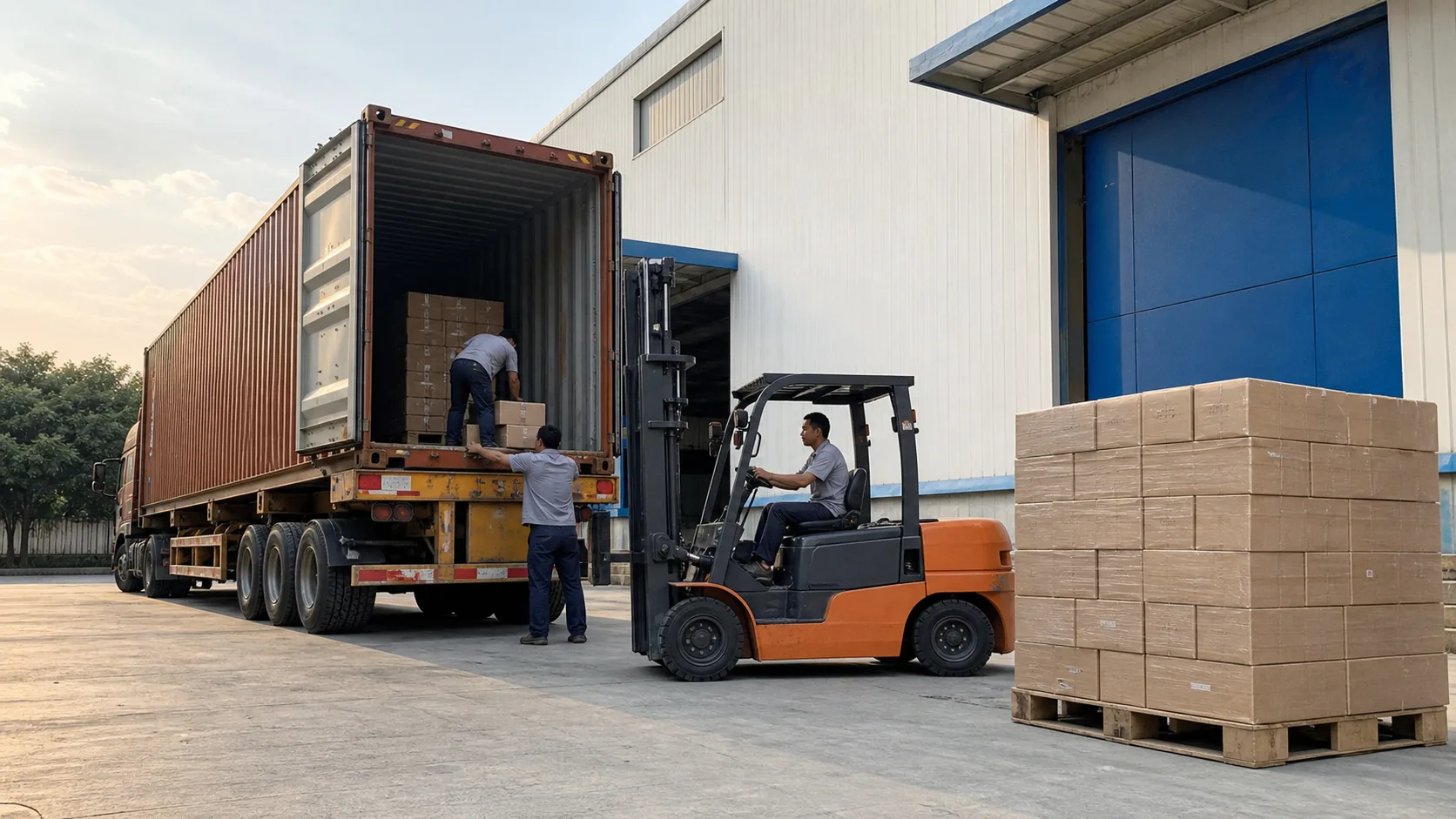
From cartons to container
Once bulk passes final inspection, cartons are palletized and staged for loading. Sea freight is the default for bulk footwear - cheaper but slower, typically several weeks door to door. Air freight is faster but far more expensive and usually reserved for samples or rush launches. A freight forwarder arranges the booking, the vessel or flight, and the customs clearance on your side.
Incoterms in plain terms
FOB (Free On Board) is the most common for first-time buyers: the factory delivers goods loaded onto the vessel at the origin port, and you (via your forwarder) handle ocean freight, insurance, and import clearance. EXW (Ex Works) means you handle everything from the factory door, including origin trucking. CIF (Cost, Insurance, Freight) means the factory arranges freight to your destination port. FOB keeps responsibilities clean and is what most buyers default to.
Documents you need
The core set is a commercial invoice, a packing list, and a bill of lading (the sea freight title document). For some destinations a certificate of origin or material declarations may be needed depending on the product and your country's rules. We provide the commercial invoice and packing list as standard; your forwarder tells us exactly what marks and documents your destination requires so nothing stalls at customs.
What we handle vs what you handle
We handle production, final inspection, export packing, carton marks, and the commercial invoice and packing list. You (or your forwarder) handle freight booking under FOB, import customs clearance, duties and taxes, and last-mile delivery. The handoff is at the origin port. Knowing that split up front is what keeps a first import from feeling like a mystery.
Lock the document and landed-cost handoff before goods finish
Confirm early who prepares the commercial invoice, packing list, certificate of origin, bill-of-lading instructions, and any material or testing records requested by the destination market. The product description, quantity, carton count, weights, values, consignee details, and shipping marks must match across documents. Ask your broker to review the likely tariff classification and compliance obligations before production, not after the container reaches port. Build the landed-cost model with product value, tooling, inspection, origin charges, freight, insurance, duty, brokerage, taxes, and final delivery. A pre-shipment document review between factory, forwarder, and importer catches mismatches while cartons are still accessible and avoids expensive corrections after handoff.
- Commercial invoice and packing list
- HS classification and broker review
- Bill-of-lading instructions
- Origin and test documents
- Complete landed-cost worksheet