Understanding Sandal Lead Time for Export Orders
Lead time kills more deals than price, usually because someone planned forward from "now" instead of backward from a date. Here is what actually drives the timeline on a sandal order, with real numbers, so you can plan it right.
What drives the clock
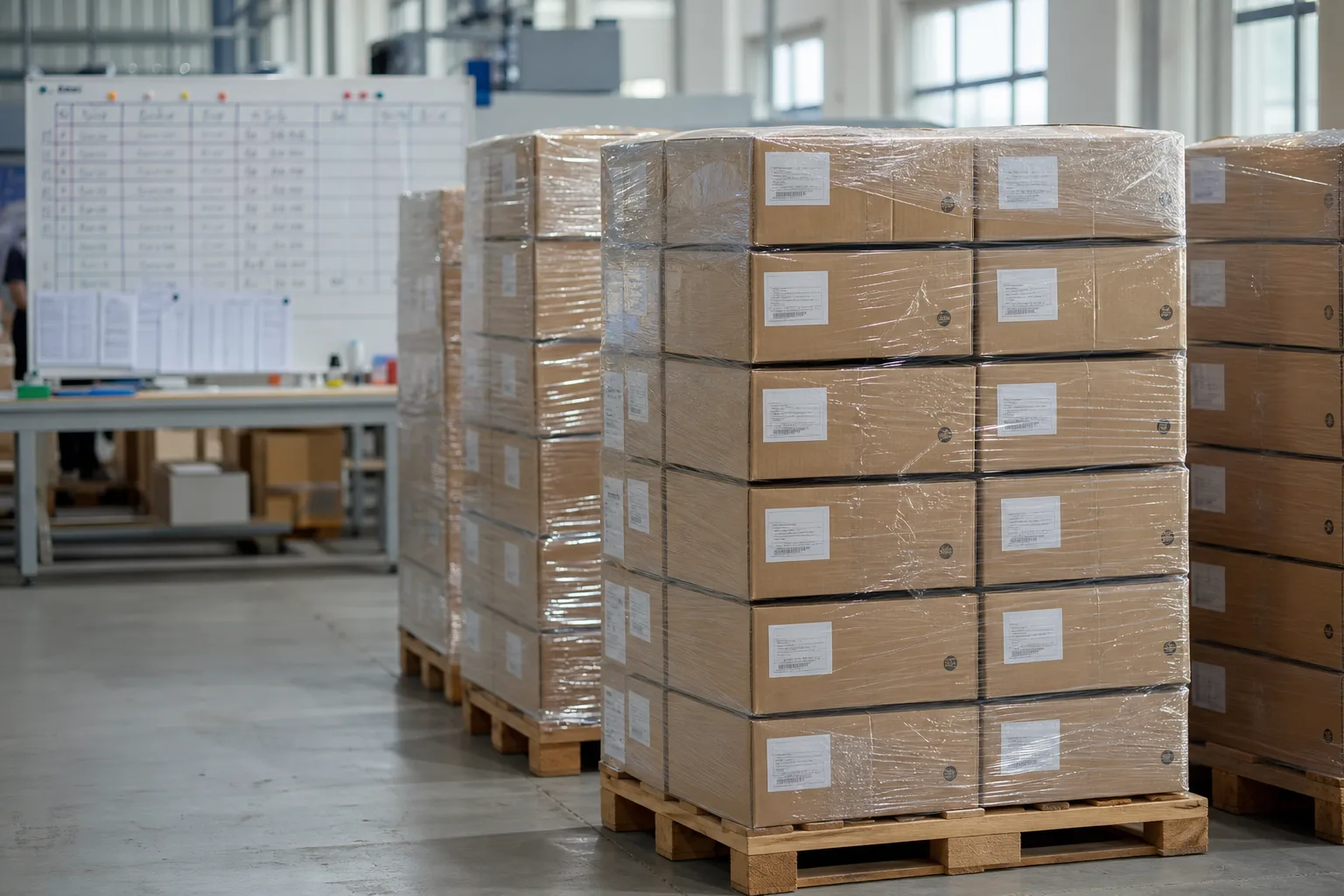
Four things: sampling, materials, volume, and freight. A plain EVA slide samples in 7-10 days and runs in about 25; a stitched leather pair takes longer at both ends. Special materials - a custom outsole, a particular leather - add days at the front while we source them. And freight is the quiet killer: sea from China to the US or EU runs roughly 4-6 weeks, air days. That single choice can swing your timeline more than the production itself.
Sampling is not bulk
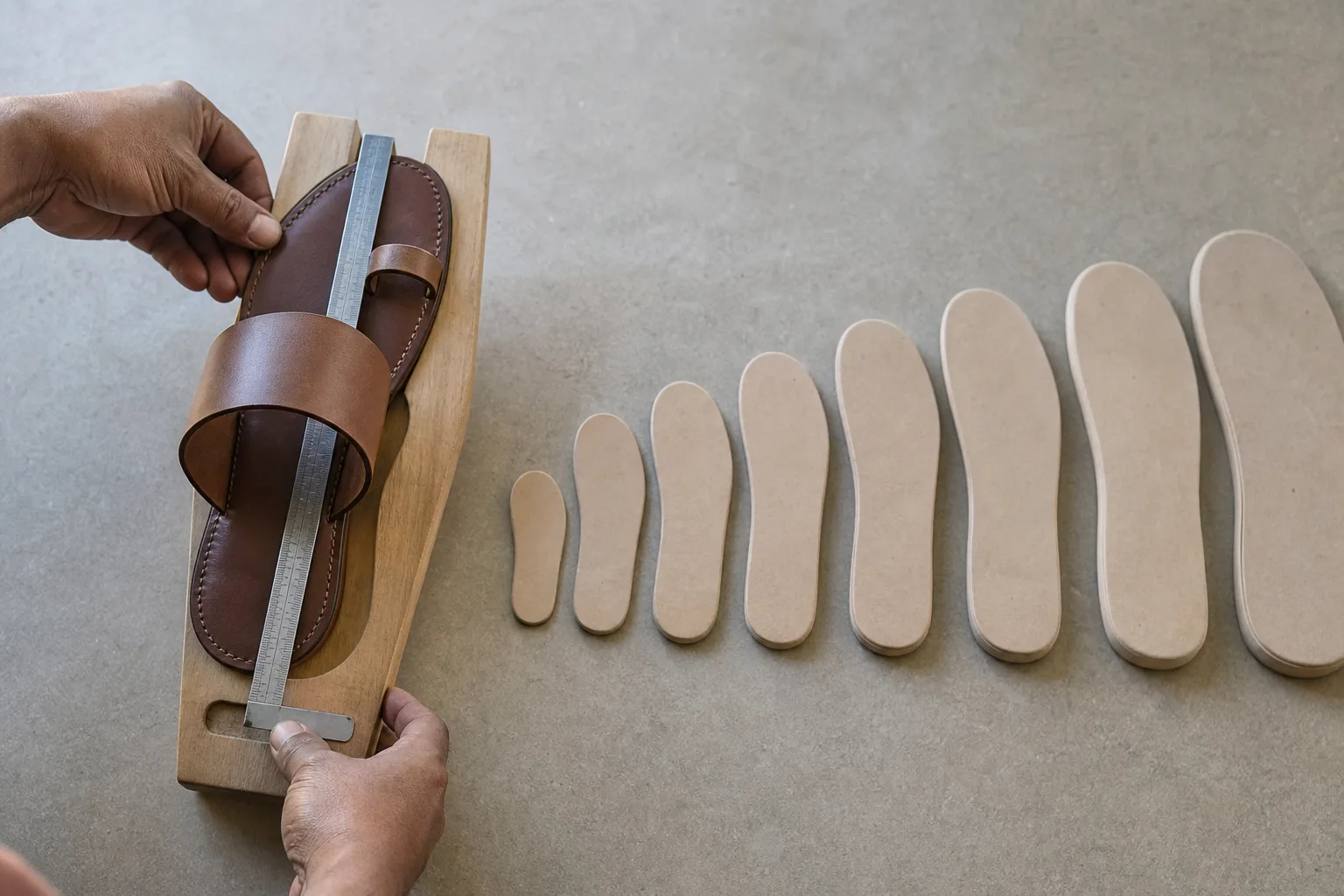
Sampling is its own phase, and skipping it to save a week is the most expensive shortcut in sourcing. The sample locks the shape, the color, the footbed feel, and the logo before any bulk material is cut. Skip it and you find the problems in a 5,000-pair carton instead of on one pair. Budget 7-14 days for sampling as a separate line on your plan, not folded into bulk.
Planning backward from a date
Tell us your real deadline up front - the season, the launch, the event - and we plan backward from it: ship date, minus freight, minus the 25-40 day run, minus sampling. The earlier we know the date, the more options stay open. Leave it late and your only lever is paying for air freight. There is no shame in a tight date; there is just no fixing one you hid from us.
Typical timelines, end to end
Rough numbers for a standard order, so you can sketch a calendar before you even write us.
- EVA sample
- 7-10 days
- Leather sample
- 10-14 days
- Bulk run
- 25-40 days
- Sea freight
- 4-6 weeks
- Air freight
- 3-7 days
- Total by sea
- ~10-13 weeks
Build the order calendar backward from the launch date
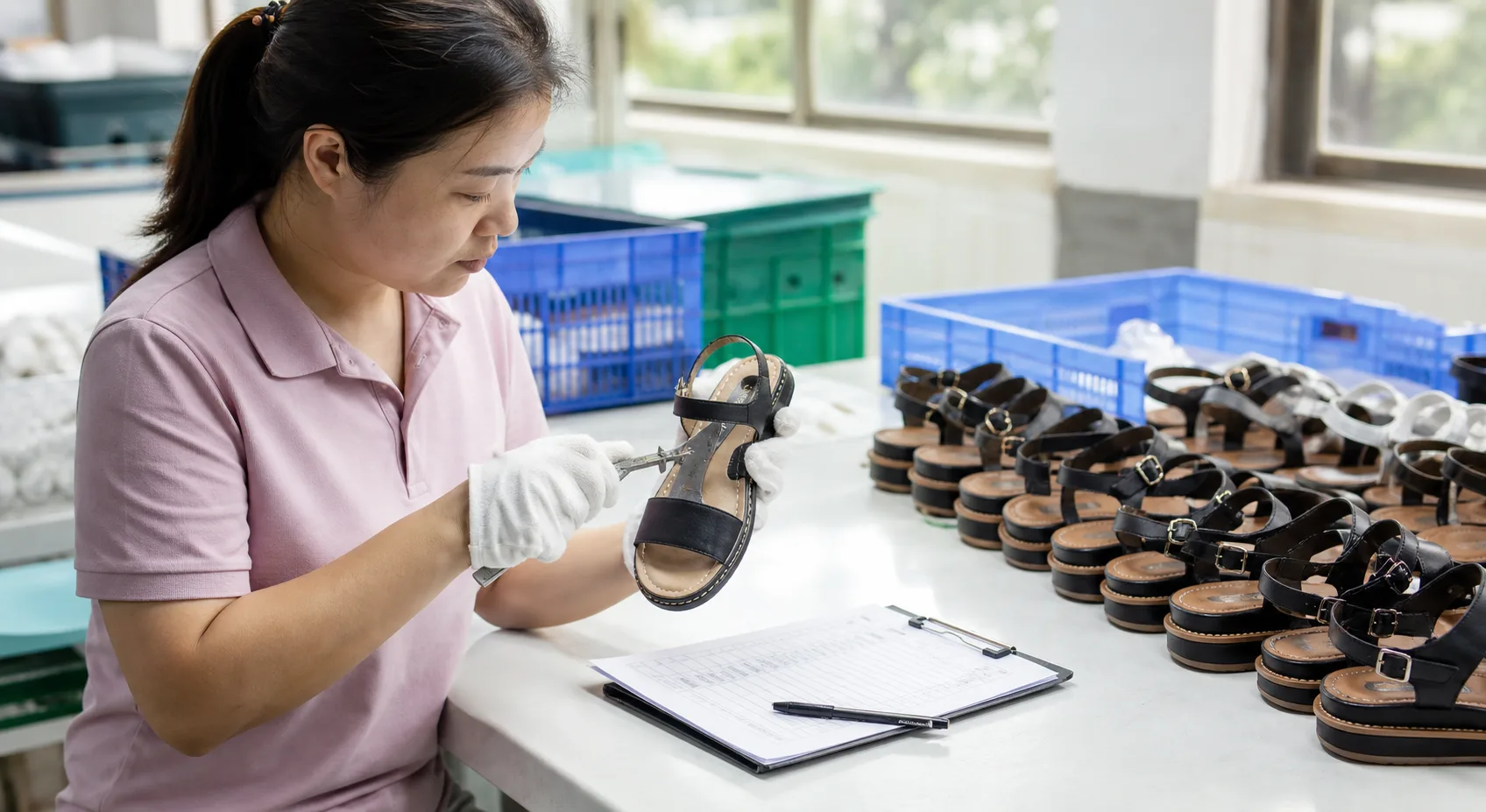
Start with the date the goods must be available at your warehouse, not the day you hope to place the order. Work backward through customs clearance, inland delivery, ocean or air transit, origin handling, final inspection, packing, production, material purchasing, sample approval, and artwork confirmation. Add decision time for your own team because late comments are still part of the real lead time. Ask the factory which steps can overlap and which cannot. Stock packaging may run while production is under way, but custom molds, printed boxes, or special compounds often sit on the critical path. Put an owner and due date beside every approval so a delayed logo file does not quietly become a missed selling season.
- Warehouse-ready date
- Freight and customs buffer
- Inspection and packing window
- Material and tooling lead time
- Buyer approval deadlines