Private Label Sandal Packaging Options Explained
The wrong packaging wastes money in both directions: a gift box on a giveaway, or a bare polybag on a shelf product. Here are the three modes we run, what each adds to the unit cost, and how to match one to your channel.
The three modes
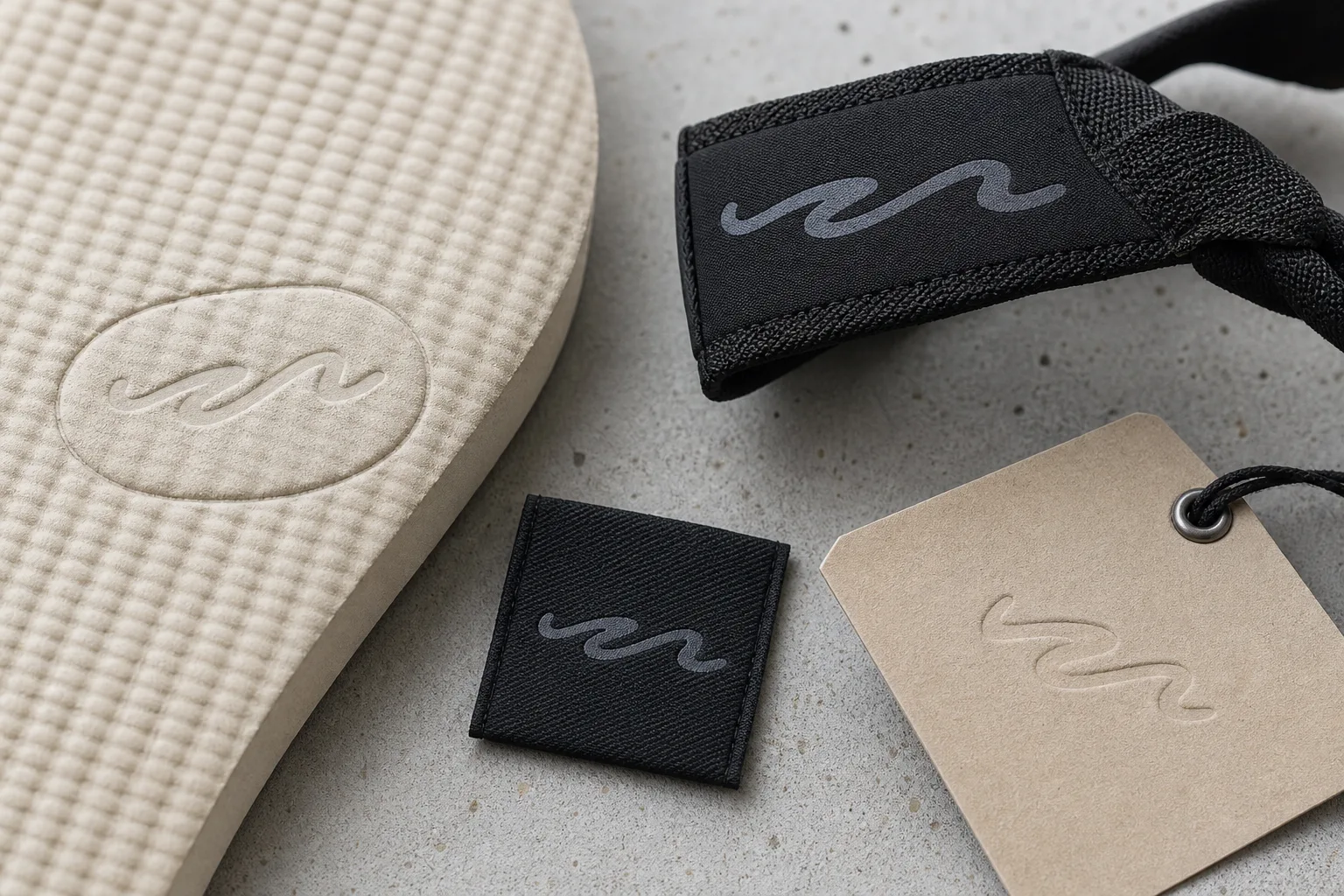
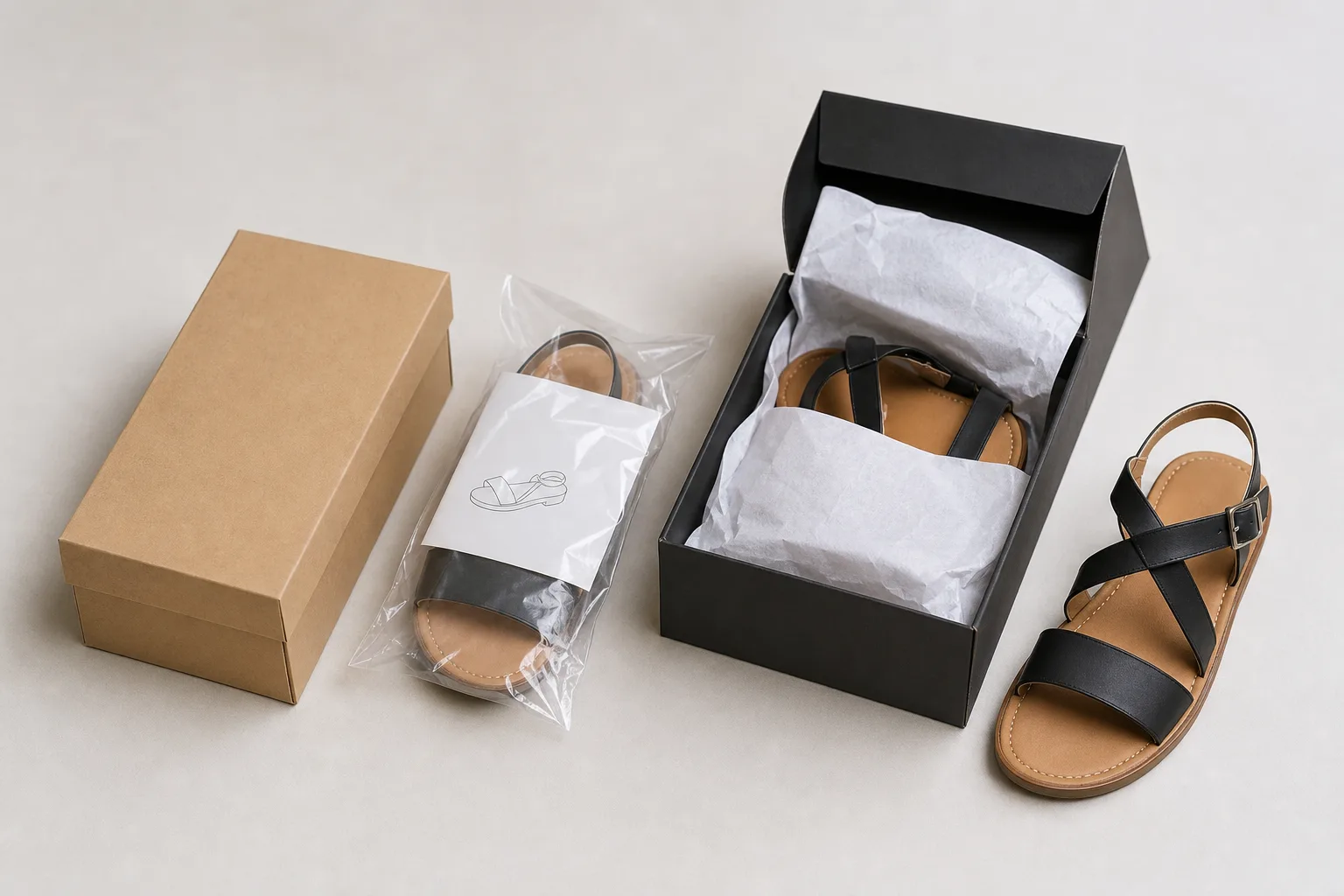
Bulk: one pair per polybag, 60-100 pairs to a master carton. Cheap, fast, and right for giveaways and hotel rooms where nobody sees the packaging. Retail: each pair in a printed box or with a hangtag, built to photograph clean and sit on a shelf or in a DTC unboxing. Gift: a box with a sleeve or insert, for premium and hospitality programs where the wrap is part of what the customer is paying for.
Cost vs presentation
Bulk adds almost nothing per pair. Retail boxes add real cost and usually need 1,000+ pairs to cover the print setup, but they are non-negotiable for shelf and DTC. Gift packing is the priciest and only earns its keep when the buyer is paying for presentation. The trap is paying for presentation a giveaway will throw away, or skimping on a shelf product that then looks cheap next to competitors.
Matching it to your channel
Promo and in-room: bulk. Shelf and DTC: retail boxes. Boutique and high-end gifting: gift packing. Selling the same sandal two ways - shelf plus online - is common; we can split one run into printed boxes and polybags. Tell us the channel and we will spec the packing that protects the margin without underselling the product.
What each mode adds
A rough read on cost and the minimum order that makes each mode worth it.
- Bulk polybag
- Lowest, no minimum
- Hangtag
- Low, plus setup
- Printed box
- Higher, ~1,000+ pairs
- Gift box + sleeve
- Highest, premium only
Approve packaging as a system, not as separate artwork files
The polybag, insert, label, retail box, master carton, and shipping marks must work together. Confirm the packed pair dimensions before locking box size, because excess space raises freight while tight packaging can crush straps or distort molded soles. Match barcode location and label content to the retailer or fulfillment center receiving the goods. Then test one complete packed unit for scuffing, color transfer, moisture risk, and presentation after a simulated shipping cycle. The approval record should include dielines, print colors, material weights, carton strength, assortment rules, and photographs of the final pack-out. This prevents a correct sandal from arriving in packaging that fails retail, warehouse, or marketplace requirements.
- Packed dimensions and pair weight
- Barcode and compliance label position
- Box and master-carton strength
- Size and color assortment rules
- Approved full-pack reference sample