Sandal Sizing for US and EU Markets
A size run that fits your market is the difference between a reorder and a returns problem. Here is how EU, US, and UK runs differ, which range most orders land on, and what sizing details to send with your brief.
Why the size run matters
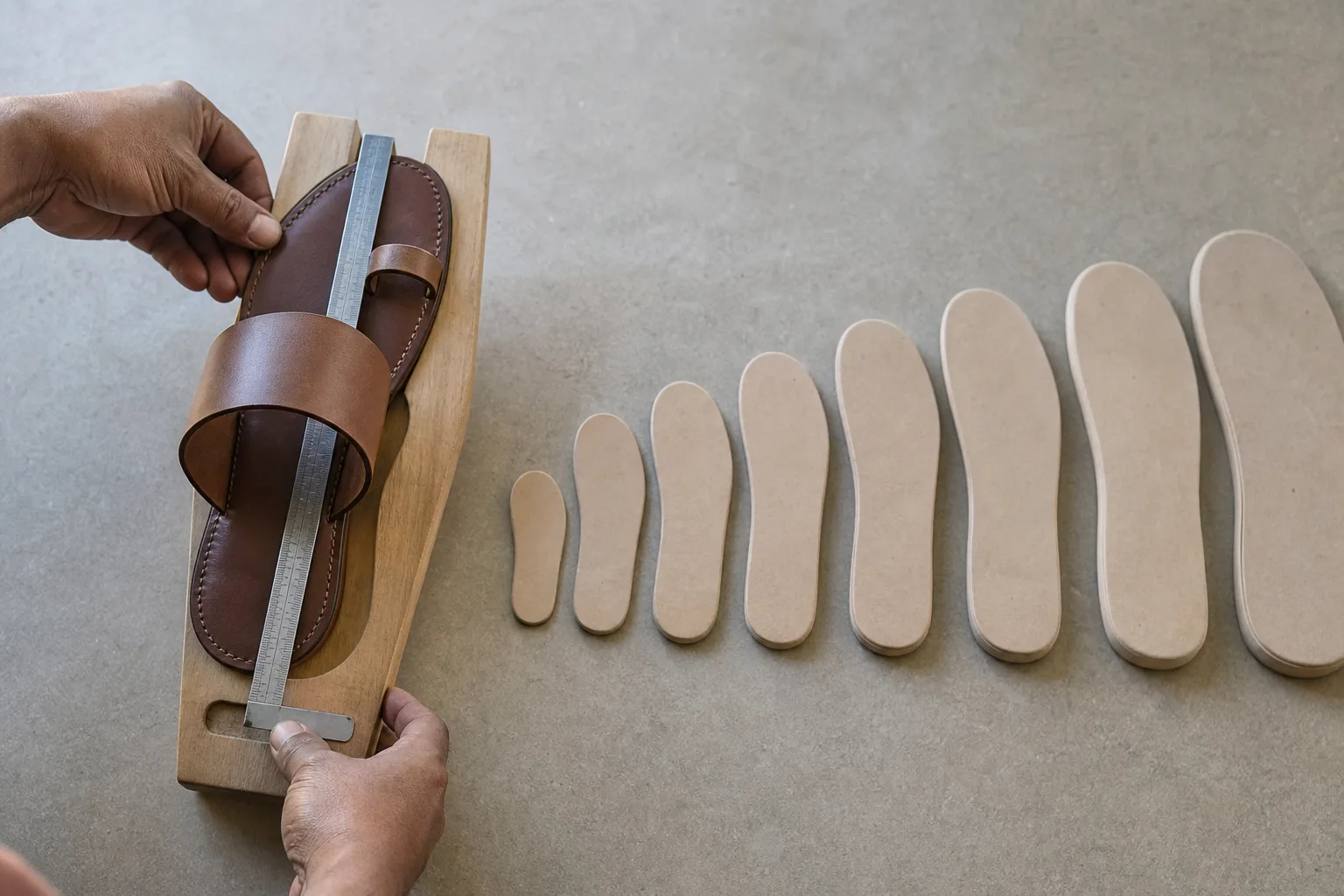
Sandals are forgiving on fit compared with closed shoes, but the run still decides whether every size sells. Order too narrow and the middle sizes sell out while the ends sit. Order too wide and you carry dead inventory. The run is also where the factory builds the molds, so getting it right at sample stage avoids expensive remakes later.
EU vs US vs UK
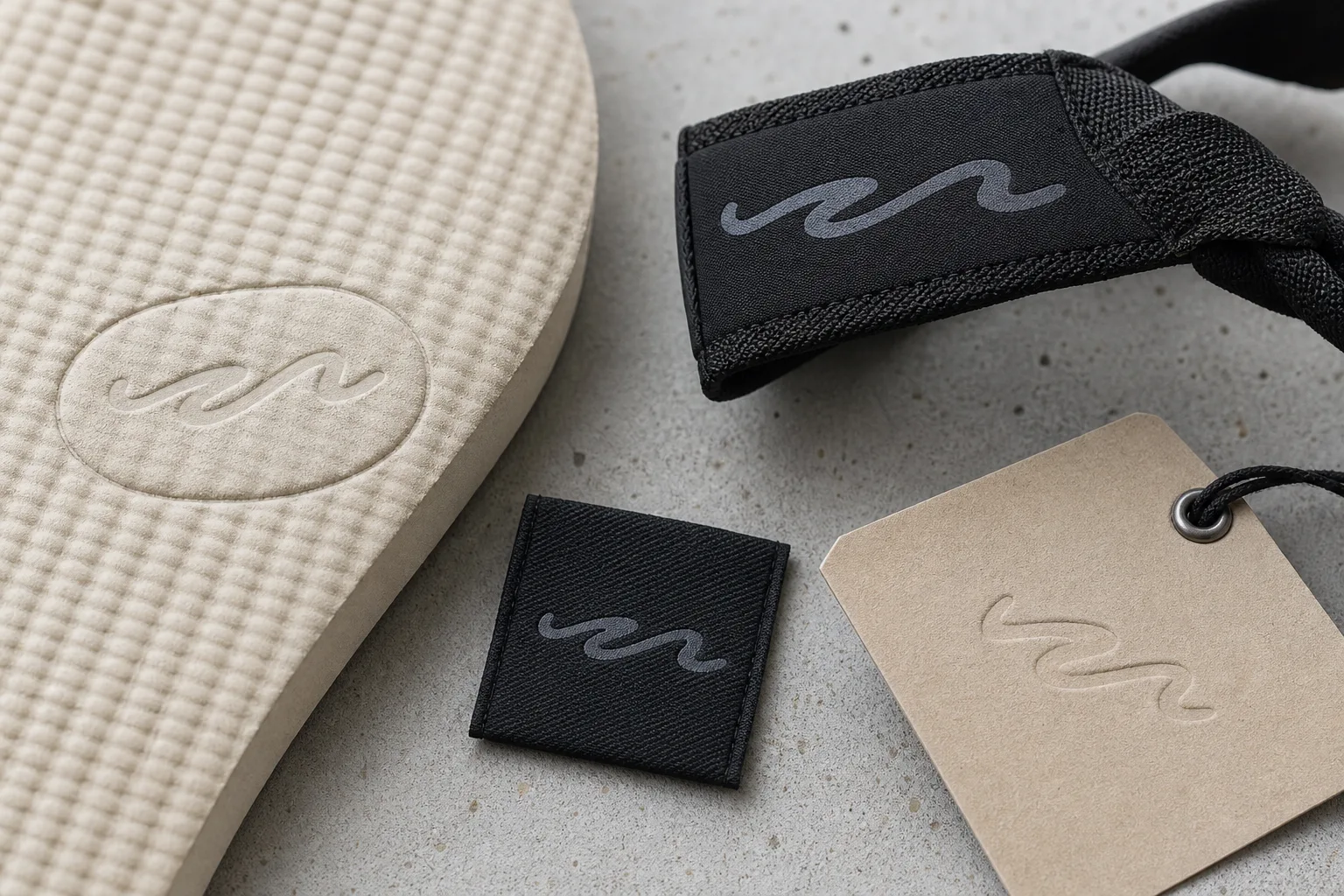
EU sizing is the default for our line - it is continuous, easy to spec, and what most export cartons are labeled in. US sizing is common for American buyers and we label for it on request. UK sizing shows up less but some European heritage brands use it. The conversion is stable, but we ask which system your retail labels use so the footbed stamp and carton marks match the box.
Which range to order
EU 36-46 covers most adult programs: a full men's and women's run. EU 36-41 is the common women's-only run. EU 39-44 is a typical men's-only run. Kids and junior runs are a separate tooling conversation. If you are unsure, send your best-selling size breakdown from an existing product and we will mirror it so the new line fits the demand you already have.
What to send us
Send the sizing system for your labels, the size range you want, and your size ratio (how many pairs per size, e.g. 1-2-3-3-2-1). If you have an existing product that fits well, its size chart or a sample pair is the fastest way to lock the run. The clearer the run at brief stage, the cleaner the sample and the fewer revisions before bulk.
Validate the full size run before bulk production
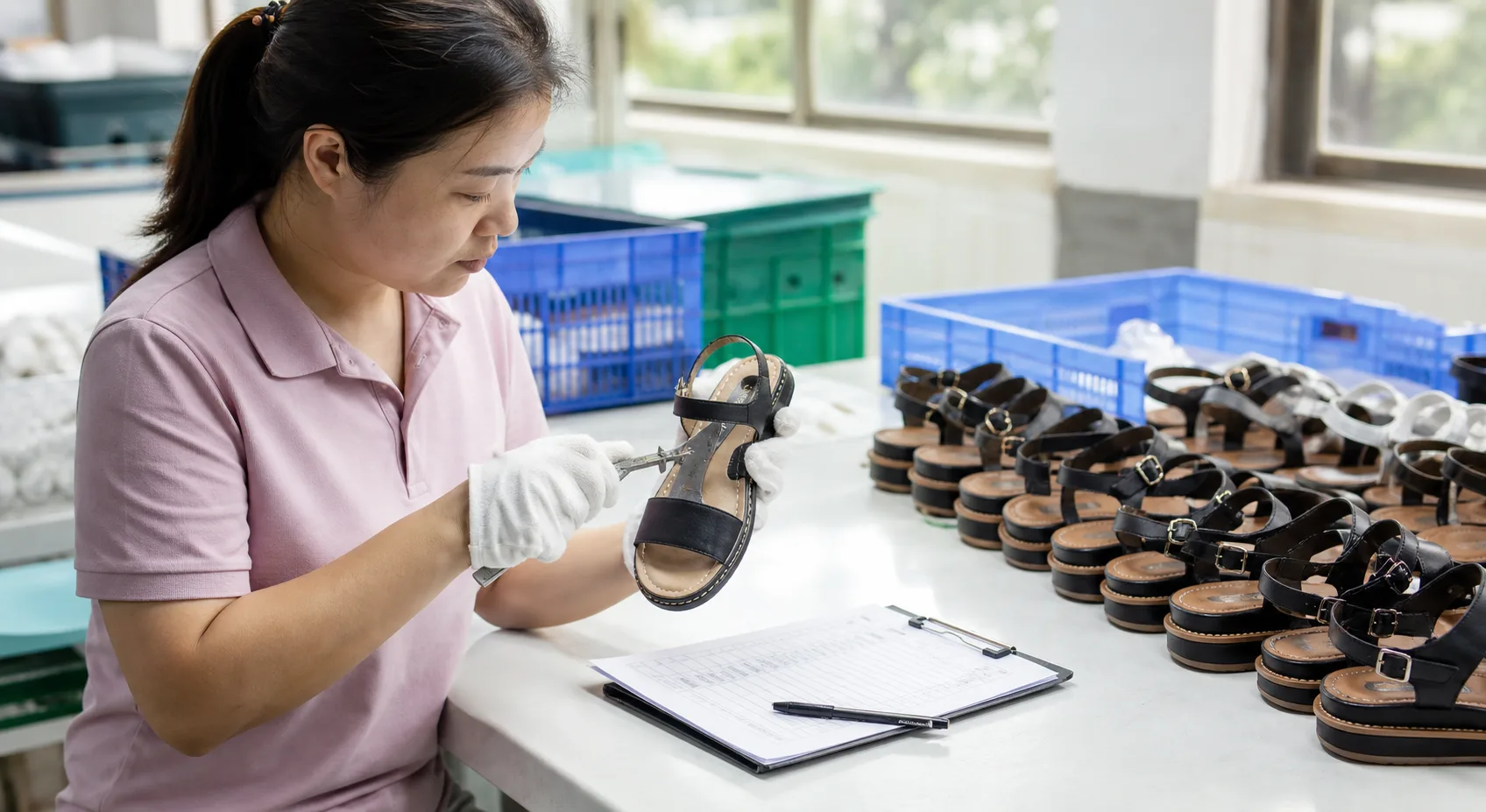
A sandal sizing US EU plan should not approve only the middle size and assume every graded size will behave the same. Check the smallest, middle, and largest sizes for footbed length, usable width, toe position, heel position, strap opening, and visual proportion. On molded products, confirm shrinkage and left-right matching after the parts have stabilized. On leather or textile uppers, check whether grading changes the strap angle or creates pressure at the edges. The purchase order should state the size ratio by color and the labeling system used on the product, polybag, box, and carton. A signed measurement chart plus physical boundary-size samples gives production and inspection teams a clear reference for the complete run.
- Smallest, middle, and largest size samples
- Footbed length and usable width
- Strap opening and attachment position
- Size labels across every packaging layer
- Approved size ratio by color